
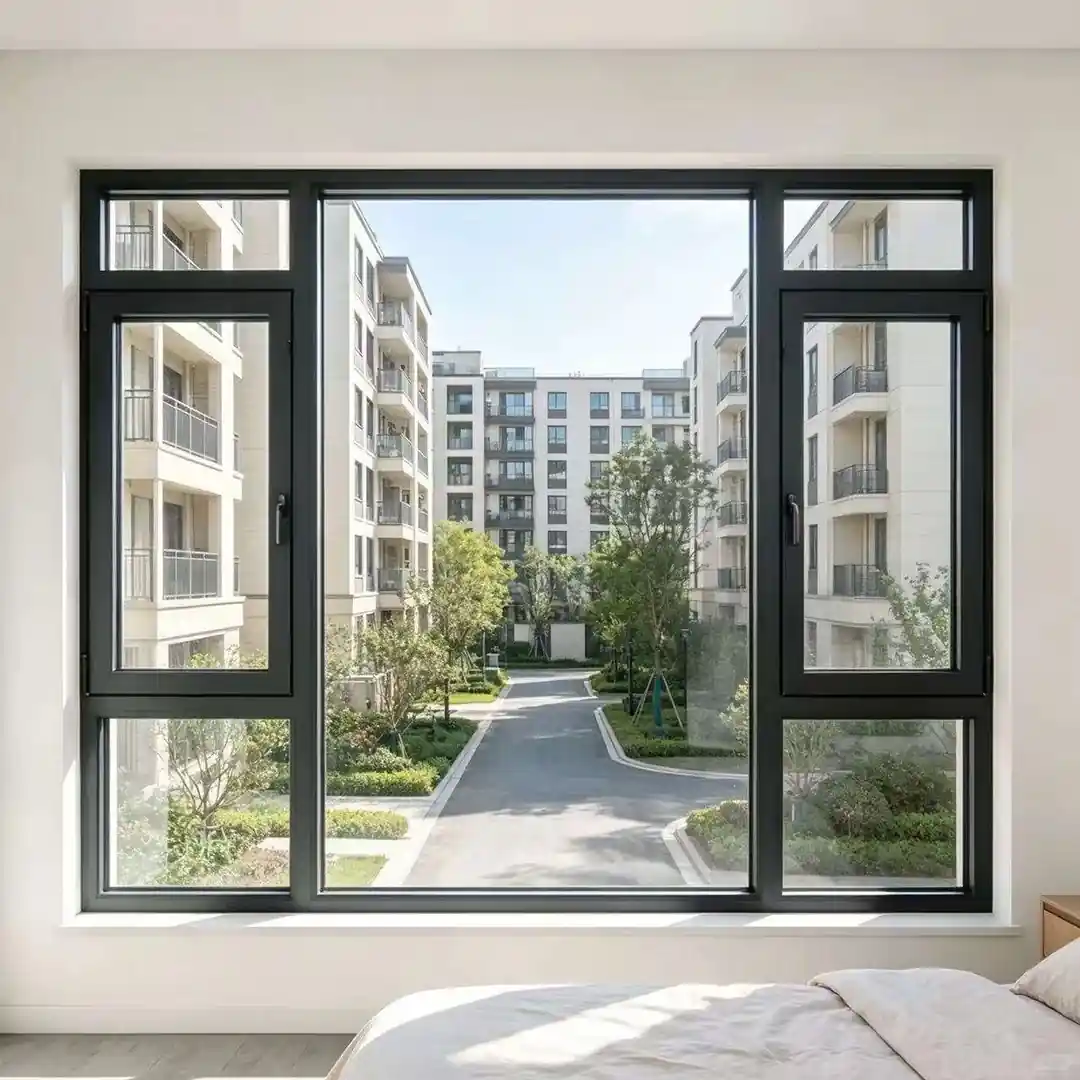
The lowest window price is rarely the lowest project cost. A usable request for quotation must connect the building conditions, window schedule, performance targets, component specification, installation boundary and inspection evidence.
1. Define the project before choosing a series
Record the city and climate, floor level, façade orientation, opening sizes, quantities, color, delivery destination and installation responsibility. Add special exposure such as coastal salt, driving rain, strong wind, traffic noise or intense sun. A “70 series” name does not answer any of these questions.
2. Choose the window as a complete system
Use these decisions in order:
| Decision | What the buyer should define |
|---|---|
| Performance | Air, water, wind, thermal and acoustic targets relevant to the project |
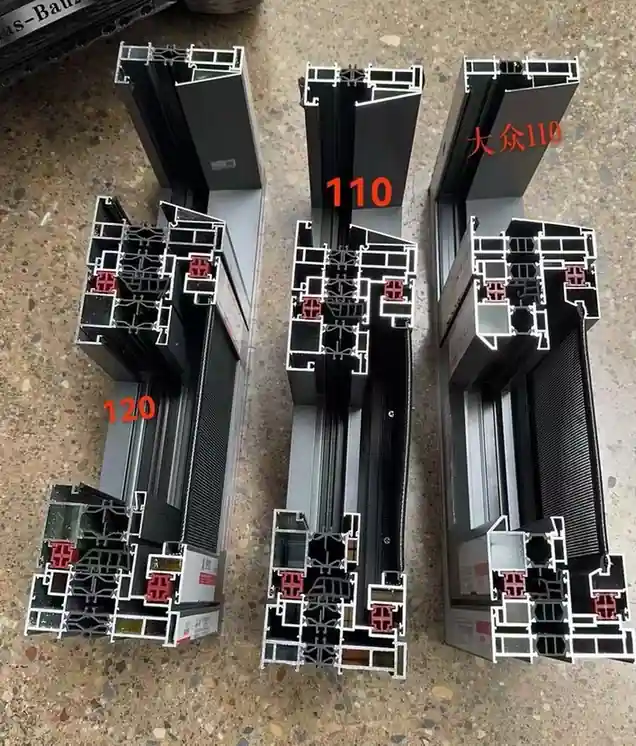
| Profile | Supplier, cross-section, frame depth, critical wall thickness and thermal-break material |
| Glass | Full build-up, Low-E surface, laminate, spacer, safety treatment and edge finish |
| Opening | Function, handing, ventilation, cleaning access, screen and child-safety needs |
| Hardware | Brand, series, load range, locking points, hinges, restrictors and anti-drop devices |
| Sealing | Gasket material, corner treatment, perimeter foam and interior/exterior sealant |
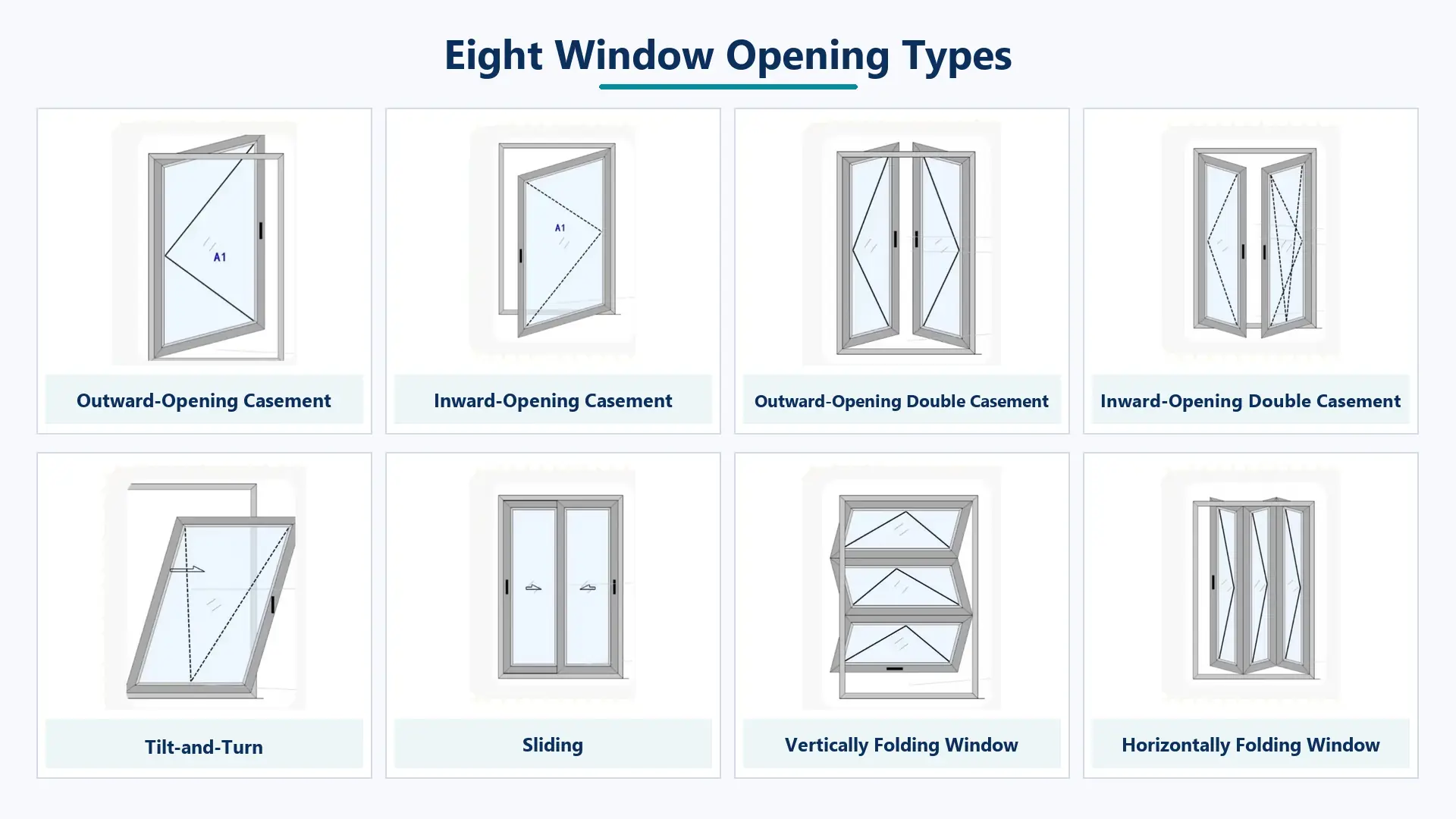
3. Match the opening type to daily use
Casement and tilt-and-turn systems usually offer strong compression sealing. Sliding systems save operating space but depend heavily on track, interlock and drainage design. Large or unusual sashes require hardware load checks. Confirm cleaning access and safe operation before approving elevations.
4. Compare quotations line by line
Require every supplier to quote the same window schedule and specification. Separate product, screens, packing, inland transport, installation, waterproofing, lifting and destination delivery. Mark exclusions and provisional items. Do not compare totals until scope and tax basis match.
5. Verify the factory and pre-production sample
Confirm the legal entity, actual production site, key machines, incoming-material control and inspection records. Approve one representative sample or corner mock-up before mass production. Record the profile, glass, hardware, color, joint quality and drainage details in the approval record.
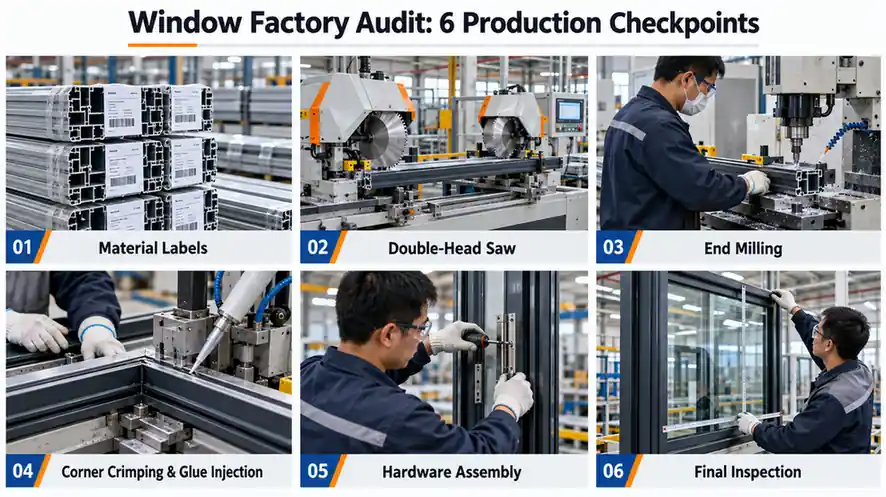
6. Set release gates for production and shipment
Use drawing approval, sample approval, incoming-material verification, in-process inspection, final dimensional and functional inspection, packing review and container loading as separate gates. Keep the approved window schedule and signed changes with the inspection team.
7. Prepare a decision-ready inquiry
Attach floor plans, elevations, a window schedule and any local performance requirements. State the destination, expected quantity, target delivery date and whether installation is local or included. The form below captures these inputs so the supplier comparison can begin from one consistent brief.
Turn your requirements into a comparable supplier brief
Share dimensions, quantities, performance targets and destination. We will organize the key inputs before factories and quotations are compared.