AQL sampling and defect classification
Draw random cartons and units against the agreed lot, level and acceptance limits.
- Critical / major / minor defect log
- Sample and carton selection record
- Pass, hold or reject draft
A buyer-side final random inspection of completed production before balance payment. We sample against the approved golden sample and specification, classify critical, major and minor defects, execute agreed functional and transit tests, and issue a documented shipment-release recommendation.
Inspection is triggered only when 100% of the batch is manufactured and at least 80% is fully packed into master cartons. Inspecting earlier weakens random sampling: unfinished units can be substituted after the inspector leaves, while later packing can introduce drops, shortages and assortment errors.
We agree what success looks like before starting. Findings are separated into facts, risks and recommended actions so your team can move quickly.
Lot sampling is configured against ISO 2859-1 / ANSI/ASQ Z1.4 when applicable. Acceptance levels, inspection level and test frequency are agreed before the visit; destructive and time-intensive tests use a separately defined sample rather than being silently applied to every inspected unit.
Freeze the signed golden sample, specifications, packing files, defect classifications and product-specific test protocol.
Confirm the 100/80 readiness gate: all units manufactured and at least 80% sealed in master cartons before random selection begins.
Draw cartons and units at random; check quantity, workmanship, dimensions, function, transit integrity, labels and packing against the approved protocol.
Count critical, major and minor defects and issue a documented pass, hold, rework or reject recommendation before balance payment.
Draw random cartons and units against the agreed lot, level and acceptance limits.
Compare mass production against the signed reference unit, drawings and bilingual checklist.
Verify that marketplace and retail identifiers are positioned correctly and can actually be read.
Apply agreed packaging and handling tests before cartons enter the freight network.
Check whether logos, silk-screen printing, labels and coatings withstand expected handling.
Run product-specific operation and electrical checks when applicable and included in the protocol.
Reconcile inspected units and protect sampled cartons from unnoticed substitution after inspection.
Minor scratches and tolerance drift are judged against the signed reference and defect standard—not a factory supervisor’s verbal assurance.
We do not accept supplier gifts or hidden factory-side compensation. Any attempted interference is escalated to the buyer and recorded where relevant.
The protocol can cover label position, barcode readability, carton deformation, polybag warnings and other destination-specific receiving risks.
These de-identified examples demonstrate decision logic. Actual acceptance criteria and tests must be agreed for the product, destination and applicable regulatory risk before inspection.
 REJECT
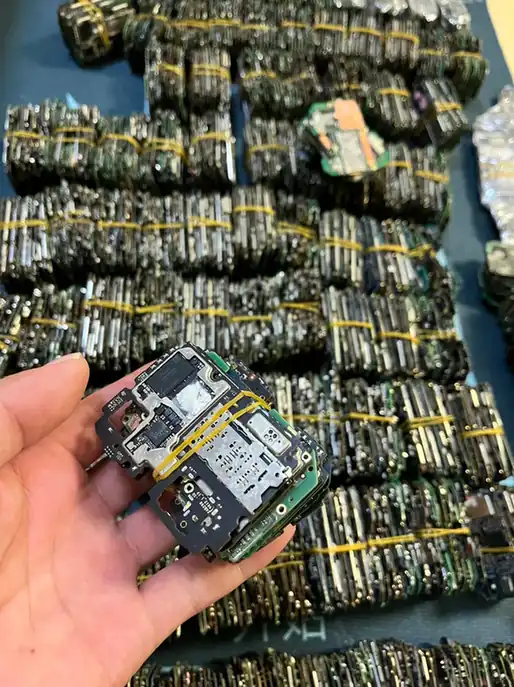
Example reject logic: one sampled internal power supply exposed live copper. With Critical Ac 0 / Re 1, the batch was rejected for shipment and the factory was instructed to complete full-line rework before reinspection.
Risk intercepted: a single critical electrical hazard prevents shipment release; it is not traded against acceptable cosmetic results.
 HOLD
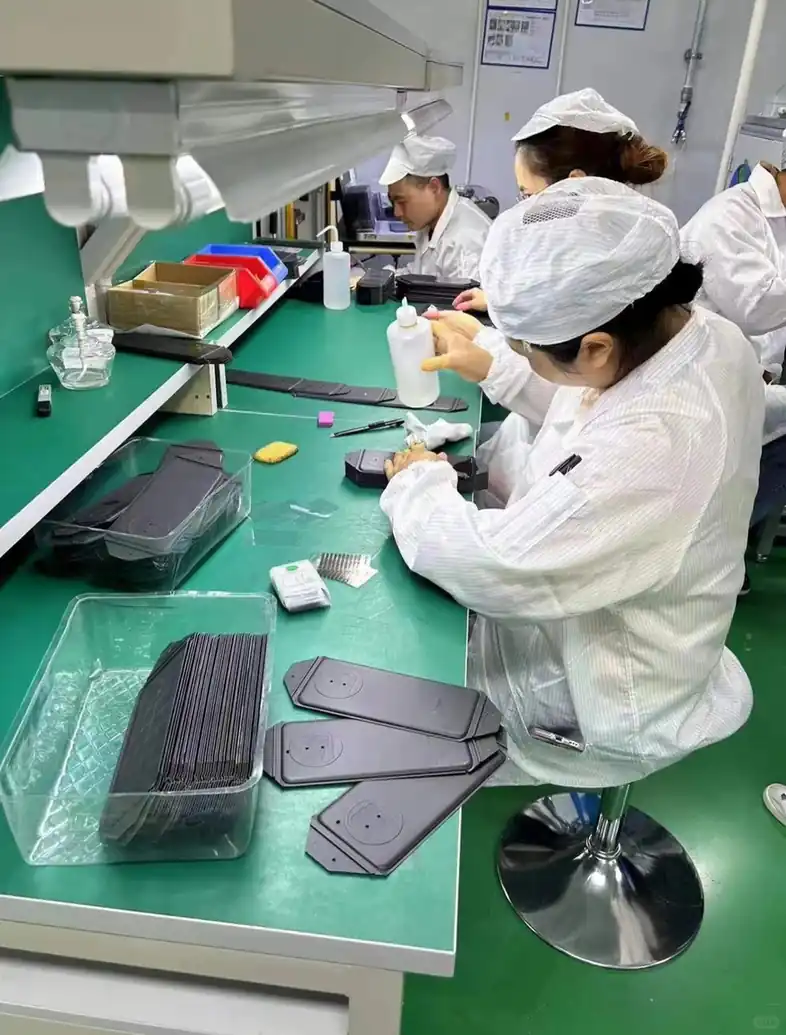
Example hold logic: outer-carton FNSKU print resolution was insufficient and handheld-reader failures reached 14% in the inspected barcode set. Release was withheld pending relabeling and scan re-verification.
Risk intercepted: unreadable labels were corrected before they could trigger warehouse receiving exceptions or inventory delay.
The inspection report records observed results and a recommended disposition. Final commercial shipment authorization remains with the buyer.
Share your current supplier, order size, deadline and biggest concern. We usually reply within one business day.
This planning aid estimates common single-sampling limits. The signed inspection protocol and product risk always take precedence.
Planning default: Normal Single Sampling, General Level II under ISO 2859-1 / ANSI/ASQ Z1.4, with Critical 0 · Major 2.5 · Minor 4.0. Special levels S-1 to S-4 may be specified for destructive or time-intensive checks such as pull-force testing or large-scale carton-drop programs.