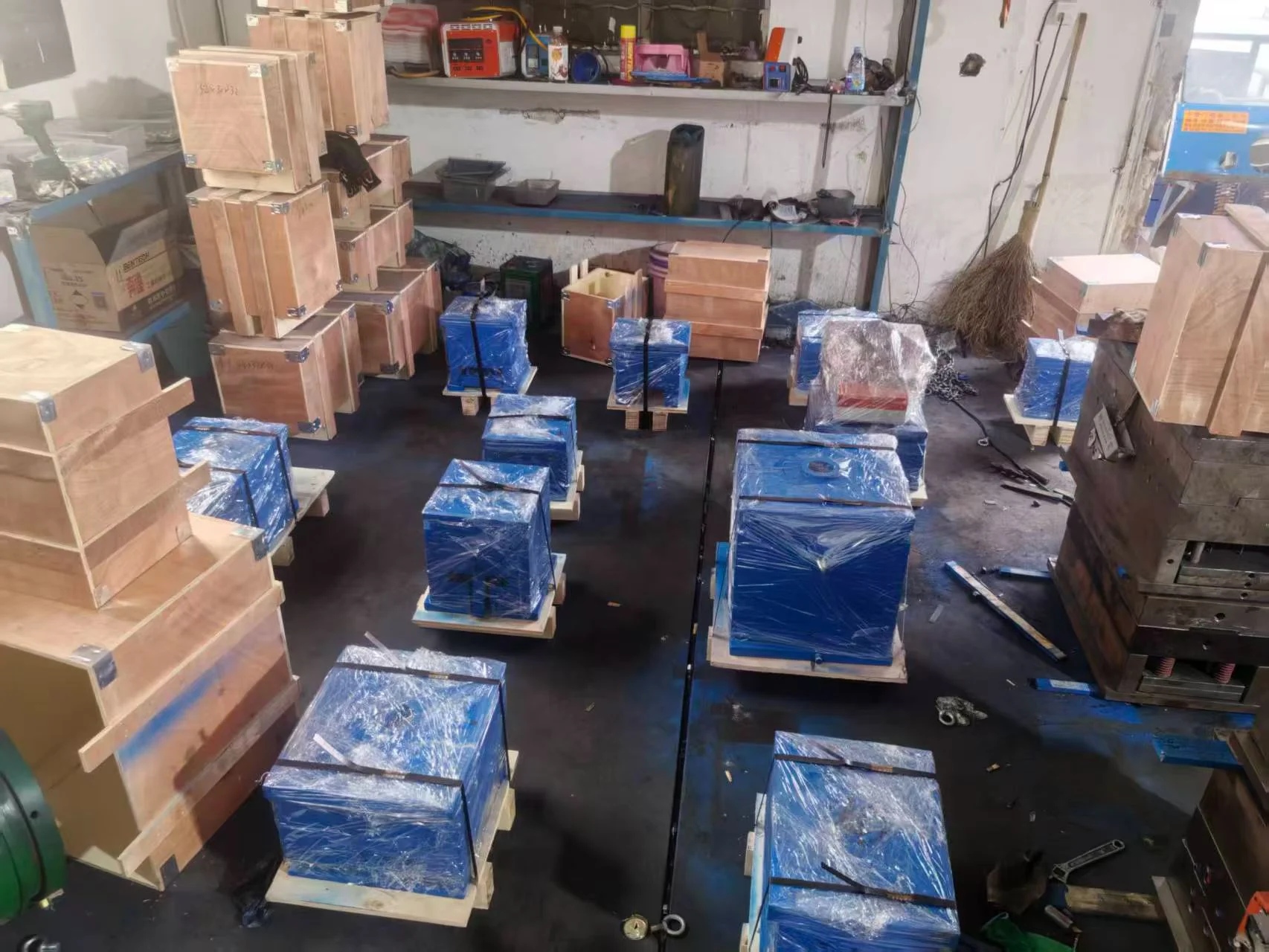
Household-product molds are among the more common categories in the Chinese used-mold market. Availability does not guarantee compatibility: dimensions, weight, resin, cavity count and machine requirements still need confirmation.
TL;DR
Used molds are most practical for common buckets, baskets, crates, flowerpots, stools and similar products when the buyer can accept the existing design. If exact dimensions, branding or assembly details are fixed, modification or new tooling may be required.
Five sourcing red flags
- Only a finished-product photo is provided; mold photographs are missing.
- Product dimensions and weight are not measured.
- The seller cannot state resin, cavity count or previous machine.
- Large products are quoted without tie-bar and clamp-force checks.
- Price excludes trial, repair and loading.
Why these molds are easier to find
Common household products are made by many factories and product programs change frequently. Idle molds therefore appear more often than tooling for a specific stationery, automotive or branded component.
In a recent stationery sourcing case, we contacted 11 used-mold dealers and only one reported a recent 12-cavity pencil-sharpener housing mold. The same dealers described household molds as common and specific stationery tooling as rare.
Products commonly searched
- buckets and pails;
- baskets and storage boxes;
- crates and turnover boxes;
- flowerpots;
- stools and chairs;
- basins and household containers;
- dustbins;
- kitchen and cleaning accessories.
Confirm the product first
Request a physical sample or full dimensions, including weight, wall thickness, handle or lid interfaces, stacking features, texture and logo. A similar photograph does not confirm volume, strength or assembly.
Resin and performance
Confirm PP, HDPE or other resin and whether recycled material, filler or color masterbatch is expected. Material affects shrinkage, impact performance, filling and part weight.
Large-part machine compatibility
Buckets, crates and chairs can have large projected areas. Verify:
- mold width and tie-bar clearance;
- shot requirement;
- clamping requirement;
- mold thickness and opening stroke;
- product and runner removal;
- hydraulic core pulls;
- handling or robot requirements.
Condition inspection
Focus on product-forming surfaces, ribs, handles, slides, lifters, ejectors and cooling circuits. Look for welded ribs, damaged texture, worn shut-offs and deformation. Large molds also need support-pillar and plate inspection.
Trial criteria
Check weight, dimensions, stacking, assembly, load performance and visible defects. For multi-cavity small household items, identify samples by cavity. For large products, confirm stable filling and ejection over consecutive cycles.
Branding and IP
Remove previous customer logos and confirm ownership before reuse. A generic product shape may still contain protected branding or design features. WIPO provides general English information on industrial designs.
Buying strategy
Compare three options:
- Use the mold and existing product design.
- Modify limited logo, texture or interface details.
- Build new inserts or new tooling for an exact product.
The first option is usually the fastest. Every requested change reduces the advantage of buying used.
FAQ
Can the product weight be reduced?
Possibly, but changing wall thickness can affect strength, filling, cooling and deformation.
Can an old logo be removed?
Often through insert replacement or localized modification, depending on location and steel.
Are household molds ready to run?
Some are; many require cleaning, repair or adaptation. Trial before acceptance.
Request a search
Send product photographs or samples, complete dimensions, weight, resin, annual quantity, machine information and whether the existing design can be accepted.
Send the product, mold and machine information.
Share the part drawing or sample, material, target output, available mold details and injection-machine specifications. We will identify the checks needed before purchase, modification or trial.