
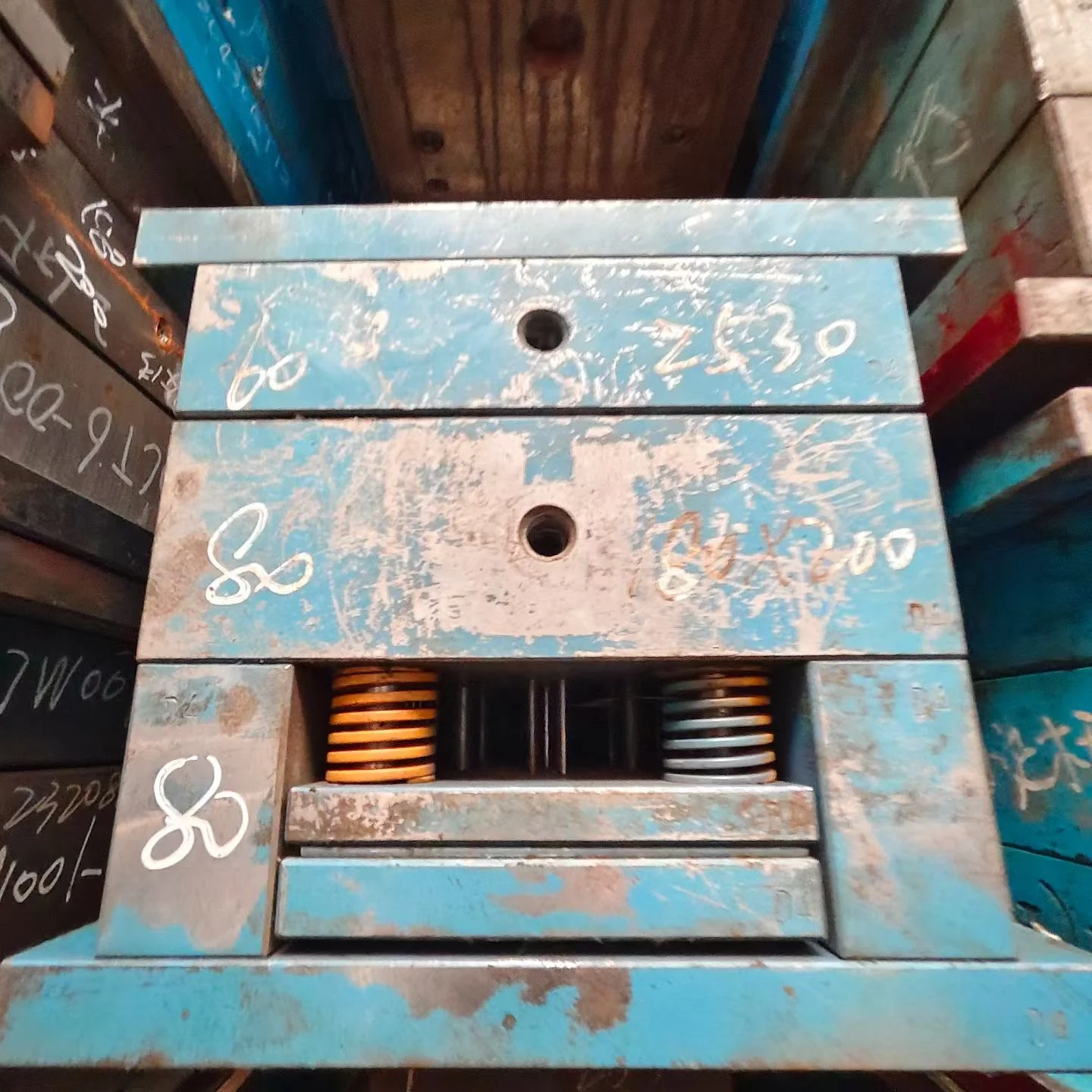
Used molds fail in different ways. Some problems are normal maintenance items; others indicate structural damage or an uneconomical repair.
TL;DR
Classify defects by location, cause and effect. A worn ejector pin is different from a cracked cavity block. Require a repair method, cost, validation plan and effect on mold life before approval.
Five defects that deserve immediate escalation
- Cracks or deformation in product-forming or load-bearing steel.
- Deep welding on sealing, cosmetic or high-pressure surfaces.
- Internal leakage between cooling and cavity areas.
- Severe guide, slide or plate misalignment.
- Obsolete proprietary hot-runner components with no replacement path.
Corrosion and pitting
Light rust on an external plate may be cleaned. Pitting on cavity surfaces, shut-offs, threads, neck rings or guides can affect product quality and alignment. Determine depth after cleaning; do not quote from a rusty photograph alone.
Scratches, scoring and polishing damage
Investigate the cause. Abrasive resin, poor ejection, trapped contamination or misalignment may continue damaging a repaired surface. Polishing can remove evidence while altering dimensions or texture.
Welding and previous repairs
Ask why welding was performed and request a marked repair map. Risks include hardness variation, cracking, distortion, visible witness lines and limited material for future repair.
Parting-line and shut-off wear
Wear can create flash, venting changes and dimensional instability. Check whether repair requires localized work, new inserts or rebuilding of interacting surfaces.
Guiding and alignment wear
Worn guide pins, bushings, wear plates and support surfaces can allow core shift or uneven closure. Replacing one component without correcting the system may not restore alignment.
Ejection damage
Common problems include bent pins, damaged sleeves, worn holes, broken return mechanisms and uneven ejection. Inspect the molded part for drag, stress whitening and ejector marks.
Cooling faults
Blocked channels, internal leakage and scale cause long cycles and non-uniform shrinkage. Test pressure and flow for every circuit.
Hot-runner faults
Open heaters, damaged thermocouples, leaking nozzles, worn valve pins and undocumented wiring can be expensive. Confirm part availability before purchase.
Repair classification
| Class | Example | Typical action |
|---|---|---|
| Maintenance | seals, fittings, standard pins | replace and verify |
| Restorative repair | worn shut-off, guide components | machine/replace and trial |
| Product modification | logo, dimensions, inserts | engineering review and T1 |
| Structural repair | cracks, deformation, major welding | specialist review; often reject |
Validate the repair
After repair, repeat mechanical, water and electrical tests. Conduct a documented trial and compare cavity-identified samples with the approved drawing. Do not accept “repair completed” without evidence of production performance.
Xometry’s injection mold maintenance checklist gives additional maintenance context.
FAQ
Is welding always bad?
No. Localized professional repair can be acceptable. Location, steel, method and final requirements determine risk.
Can corrosion be polished away?
Surface staining may be removed. Deep pitting may require welding, machining or new inserts and can affect dimensions.
Who should approve a repair?
An experienced mold engineer or mold maker using the target product and acceptance requirements.
Request a defect review
Send high-resolution photographs, repair history, trial samples and test results. The review should separate cosmetic maintenance from structural and production risks.
Send the product, mold and machine information.
Share the part drawing or sample, material, target output, available mold details and injection-machine specifications. We will identify the checks needed before purchase, modification or trial.