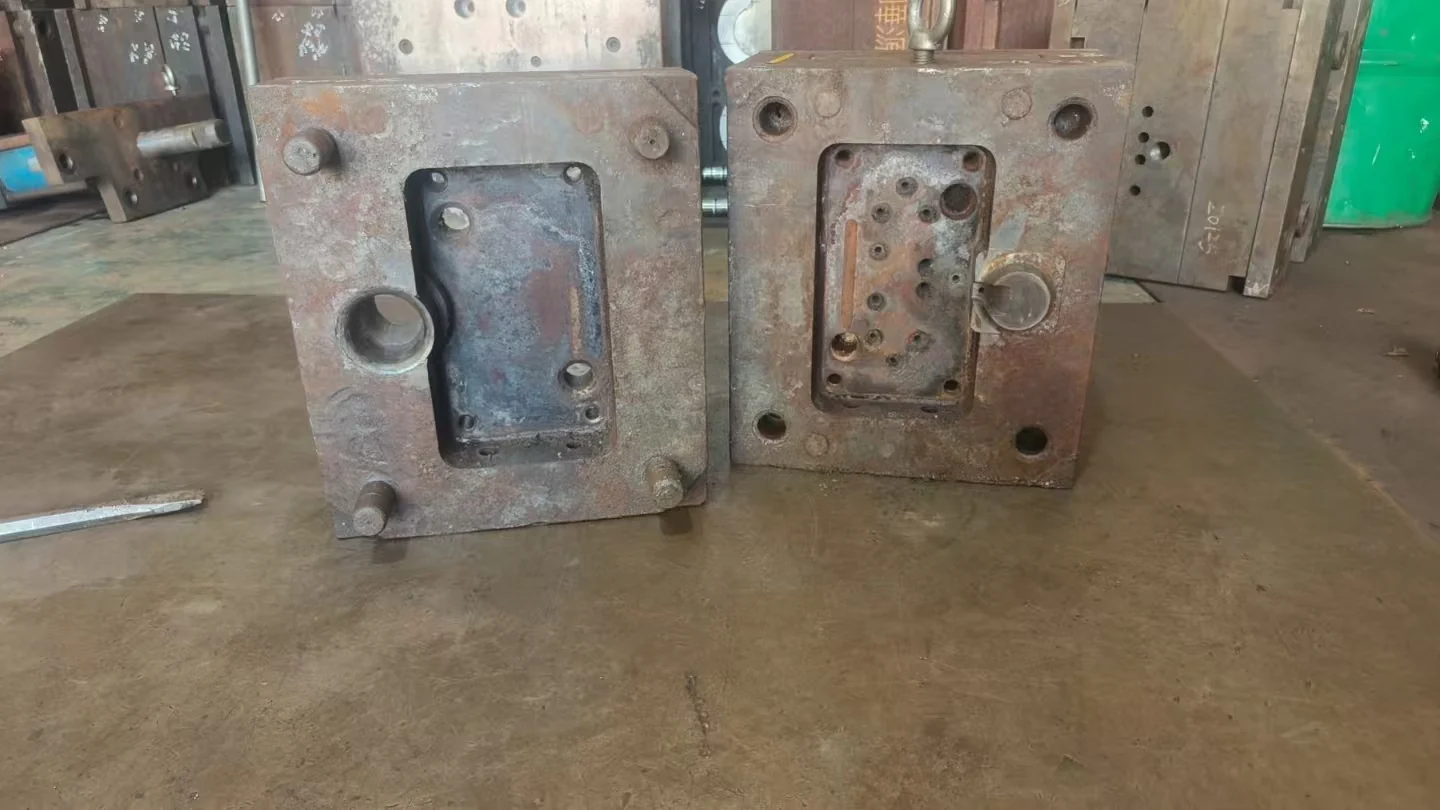
A used mold contract should control technical risk, not only price and delivery. If payment is completed before inspection, modification and trial, the buyer loses leverage when problems appear.
TL;DR
Use milestone payments tied to identifiable evidence. Define the mold, included components, modification scope, trial conditions, T1/FAI acceptance and remedies. Consider retaining 10–20% until agreed China trial and dimensional approval.
Five contract red flags
- Full payment is required before the mold is opened or trialed.
- The contract does not identify the mold number and included components.
- “Good condition” or “trial successful” is undefined.
- Modification scope has no drawing or acceptance standard.
- Seller ownership and IP rights are not addressed.
Identify the asset
The contract or annex should include:
- mold number and photographs;
- physical location;
- owner and seller;
- mold dimensions, weight and cavities;
- runner and hot-runner configuration;
- controller, cables, spares and drawings;
- known missing parts and repairs;
- original sample.
Define condition
Avoid vague language. State which inspections and tests are required:
- open-mold visual inspection;
- cooling pressure and flow;
- electrical resistance and controller checks;
- mechanism operation;
- machine compatibility;
- documented mold trial;
- cavity-identified samples;
- dimensional report.
Suggested milestone structure
The exact percentages are negotiated, but a structure may include:
- Deposit after asset identification and preliminary review.
- Payment after inspection and agreed repair plan.
- Payment after modification completion and successful T1.
- Retention of 10–20% until T1/FAI approval, before shipment.
Escrow or another controlled-release method may be considered when available and mutually accepted.
Define “successful trial”
The mold should run on an identified machine with the specified material and documented settings. Samples must satisfy the agreed visual, dimensional and functional criteria. A short video of mold movement alone is not acceptance.
Change control
Used molds often reveal issues after disassembly. Require written approval before additional work. Each change should state:
- problem and evidence;
- proposed action;
- cost and schedule impact;
- effect on warranty or life;
- required repeat trial.
Ownership and intellectual property
Require the seller to confirm the right to transfer the mold. Address removal of previous customer logos, drawings and confidential information. Review product design and trademark risks. WIPO offers general English information on industrial-design protection; project-specific legal advice may still be required.
Remedies
The contract should state what happens if the mold:
- cannot be installed on the declared machine;
- is missing listed components;
- cannot pass agreed tests;
- produces samples outside acceptance;
- cannot be modified as represented;
- is not delivered by the agreed date.
Possible remedies include rework, repeat trial, price adjustment, replacement, refund or rejection. Terms must be realistic and enforceable in the transaction context.
Shipping release
Do not release the mold for shipment until final photographs, packing list, approved samples, test reports and payment conditions are complete. Confirm delivery term and customs responsibilities.
FAQ
Is 10–20% retention mandatory?
No. It is a commercial recommendation. The amount depends on project value, supplier leverage and payment mechanism.
Can escrow guarantee technical quality?
No. Escrow controls release of funds; the contract still needs measurable acceptance conditions.
Should the buyer pay for all unexpected repairs?
The contract should distinguish disclosed condition, agreed scope and newly discovered issues, with written change approval.
Prepare contract annexes
Attach the mold identity sheet, inspection checklist, modification drawing, trial plan, T1/FAI form, packing requirements and payment milestones. Technical annexes make commercial protection measurable.
Send the product, mold and machine information.
Share the part drawing or sample, material, target output, available mold details and injection-machine specifications. We will identify the checks needed before purchase, modification or trial.