
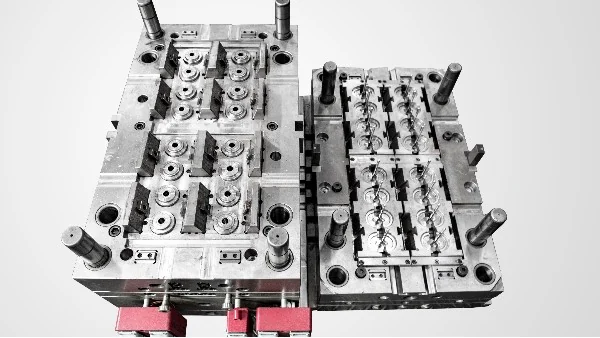
A PET preform mold cannot be selected from neck diameter and preform weight alone. The complete neck finish, body geometry, cavity count, hot-runner system and injection machine interface must match.
TL;DR
Before searching, obtain the preform drawing, neck-finish standard, exact weight and tolerance, material specification, cavity count, output target and machine datasheet. A “30 mm, 6 g” request is not complete enough to approve a mold.
Five red flags
- Only nominal neck diameter and weight are known.
- No neck-finish drawing or physical sample is available.
- Seller cannot provide cavity-identified trial preforms.
- Hot-runner brand, zones or controller requirements are unknown.
- Mold interface and machine shot/clamp capacity are not confirmed.
What does neck finish mean?
Neck finish describes the complete functional mouth geometry, potentially including:
- thread profile and number of starts;
- sealing surface;
- support ring;
- tamper-band geometry;
- neck height and diameters;
- cap interface.
Two preforms described as “30 mm” may not accept the same closure.
Why preform weight matters
Weight affects wall thickness, body length, cooling, filling and the final container design. Changing from 10 g to 6 g is not simply a machine setting. Core and cavity geometry may require replacement or modification, and the available steel must be evaluated.
Do not assume a fixed relationship between preform weight and bottle volume. Stretch ratio, bottle geometry, performance and wall distribution also matter.
Information required for sourcing
- complete preform and neck drawings;
- approved physical samples;
- PET resin and rPET requirements;
- nominal weight and tolerance;
- cavity count;
- required cycle and hourly output;
- gate and cooling expectations;
- machine brand, model and shot capacity;
- tie-bar and platen data;
- mold and hot-runner controller interface;
- accepted modification scope.
Inspecting a used preform mold
Check all cavities and cores for wear, corrosion and gate damage. Inspect neck rings, cooling tubes, ejector mechanisms, hot-runner nozzles, heaters, thermocouples and valve-gate actuation. Cooling balance is critical in high-cavity tooling.
Husky’s English PET tooling lifecycle resources illustrate the specialized maintenance requirements of PET systems.
Trial acceptance
Identify samples by cavity and measure:
- weight;
- neck dimensions;
- body dimensions and concentricity;
- gate quality;
- haze or crystallization;
- black specks and contamination;
- bubbles or voids;
- wall distribution;
- cavity-to-cavity variation.
Record resin drying, melt temperature, cooling, cycle and machine information.
Modification decision
Neck-ring replacement may address a different compatible neck design. Weight and body changes may require new cores and cavities. The hot runner, cooling and machine shot must still support the revised preform.
If the modification program approaches 50–60% of comparable new tooling, treat that as a commercial trigger for a full new-mold comparison.
FAQ
Is a preform mold the same as a blow mold?
No. The preform is injection molded first and later stretch-blow molded into the bottle.
Can a 33 mm mold be changed to 30 mm?
Possibly through neck and product-forming changes, but drawings, available steel, cooling and closure compatibility must be reviewed.
Can the number of cavities be changed?
Disabling cavities may be possible. Adding cavities is generally a major redesign, not a simple modification.
Request a used preform mold search
Send the neck-finish drawing, preform drawing and sample, weight tolerance, cavity requirement, output target and full injection-machine information.
Send the product, mold and machine information.
Share the part drawing or sample, material, target output, available mold details and injection-machine specifications. We will identify the checks needed before purchase, modification or trial.